Affordable Online Viewing Room
Software
Indie artists and small galleries need OVR-style presentation, not a CRM fortress. MOCKLIO portfolios, photoreal room mockups, and cinematic reels make the hang feel real online without enterprise gallery software.
OVRs Without the Enterprise Tax
Online viewing rooms exploded when galleries needed remote selling. The category then ballooned into suite software: CRM, inventory, mailing lists, 3D walkthrough builders, and six-seat admin panels. That stack is rational for multi-location programs with registrars and sales teams. It is the wrong default for an indie artist launching a drop or a two-person gallery staging a five-artist show. Searching affordable gallery management tools for online viewing rooms and artist portfolios usually means you want collectors to feel the hang on a phone, not another database to maintain. Conflating OVR presentation with gallery ERP is how small teams stall for months and still post flat images. Budget gets spent on seats nobody logs into while the show announcement still uses a white-background JPEG.
MOCKLIO is the affordable online viewing room software angle for people who sell with visuals. Upload the work, place it in photoreal CGI rooms, export stills for press, Instagram, and the show page, then generate cinematic reels so the viewing room moves. Publish a portfolio URL that behaves like a lightweight OVR: curated works, room context, motion, and a path to inquire. You are not simulating a white-cube walkthrough for its own sake. You are removing the imagination tax that kills remote interest. Collectors who bought online through the 2024 cycle (Art Basel and UBS reporting around 59%) still need scale and atmosphere. Room mockups and reels supply that without a physical appointment. For indie artists, the portfolio is the permanent viewing room. For small galleries, a show link built from the same assets is enough to run remote interest alongside open hours.
Distinguish jobs clearly. CRM-heavy gallery platforms win when the problem is who owns the collector record and how consignments are tracked. Art gallery marketing software pages in this cluster cover that ops vs content split in more depth. Exhibition content packs cover how to ship a show across channels. MOCKLIO for galleries covers roster-scale production. This page stays narrow: online viewing room software as presentation. If your team cannot staff a CRM, do not buy one to get an OVR. Buy the hang. Pair a spreadsheet or a light CRM later if relationships outgrow email. Presentation debt compounds faster than CRM debt for small programs because collectors never see your database. They only see whether the work looks inevitable on a wall. That is why MOCKLIO positions as affordable OVR software rather than gallery management.
What does a practical indie OVR look like in 2026? A show or artist landing page with eight to fifteen works, each with a photoreal room still, optional multi-angle set, and at least one cinematic reel for the hero or key lots. Prices or inquire CTAs visible. Mobile-first load. Shareable link for WhatsApp, Instagram bio, and fair follow-ups. That checklist beats a slow 3D tour nobody finishes on cellular. Video quality and room context also map to conversion research: visuals dominate purchase influence (often cited near 93%), and landing-page video is repeatedly associated with large lifts versus static-only pages (commonly reported in the 80% to 86% range). Affordable OVR software should optimize for those proofs, not for feature checkboxes that impress IT consultants. If a feature does not change what a collector sees in the first ten seconds, it is not OVR-critical. MOCKLIO ships those first-ten-second proofs as stills and cinematic reels from one workflow.
Implementation path for artists: build the portfolio as your permanent viewing room, refresh it each drop, and reuse assets on marketplaces. For small galleries: generate MOCKLIO stills and reels per artist, assemble a show page or shared folder of exports, and send one OVR link in the announcement email. Upgrade to enterprise virtual exhibition tools only when attendance metrics and staff time justify them. Until then, MOCKLIO is the solution: OVR-style presentation at SaaS cadence, free front-view stills to cover the catalog, cinematic motion for the works you push, inquiries without a marketplace cut. Measure success by inquiries and reply speed, not by whether you can claim a 3D walkthrough in a grant application. A finished mobile hang beats an unfinished immersive demo every time for mid-market sales.
A final boundary for buyers comparing tools: online viewing room software and artist portfolio tools overlap when the job is remote presentation. They diverge when the job is operations. If your RFP reads like a museum CMS plus Salesforce, this page is not your shortlist. If your RFP reads we need the hang to look serious online by Friday without hiring a photographer, MOCKLIO is in scope. Keep related reading on art portfolio, gallery exhibition content, art gallery marketing software, and MOCKLIO for galleries so ops and content stay linked without collapsing into one bloated suite. Affordable OVR software wins when presentation ships this week and CRM stays optional. MOCKLIO is built for that constraint on indie and small-gallery budgets without enterprise CRM bloat or unused admin seats sitting idle.
Updated 24 September 2026
OVR-Style PresentationWithout CRM Bloat
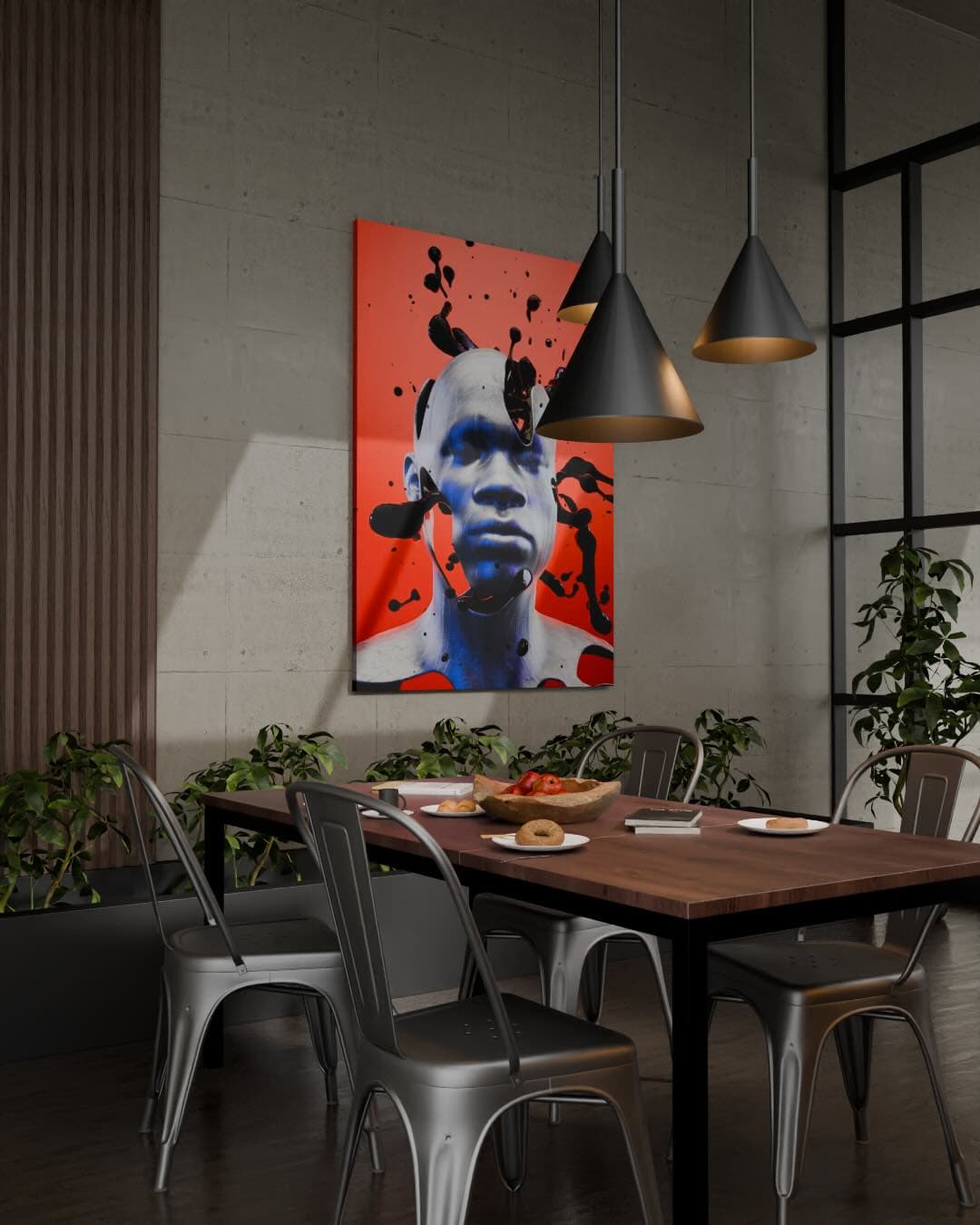
- Curated CGI interiors replace empty white squares. Collectors judge scale and mood the way they would in a physical viewing room, without waiting for a 3D builder or a photographer to light every wall. That is the affordable OVR core: believable space on a shareable still before anyone asks about CRM fields. Indie artists and small galleries get gallery-grade context without enterprise seats.
- About ten seconds of intentional camera movement, plus an optional 12.5-second cinematic remap, turn the OVR into something collectors actually watch on mobile. Motion carries atmosphere CRM modules never invent. Use reels for show announcements and portfolio heroes so the viewing room is not a static grid. That motion is what separates a living OVR from a PDF lookbook.
- Publish a shareable portfolio URL that groups works like a light OVR. Serious collectors inquire without a marketplace take rate. Keep heavy CRM elsewhere if you need it. Presentation stays fast and affordable for indie artists and small galleries who cannot staff an enterprise suite. One link replaces a fragile folder of exports emailed as attachments. That is enough OVR for most indie programs.
Stand Up an Affordable OVR in One Afternoon
Select the hang
Curate eight to fifteen works for the show or drop. OVR clarity beats dumping the entire archive into one endless scroll.
Generate room stills and cinematic reels
Place each piece in MOCKLIO rooms. Export stills for the page and press. Add reels for hero works so the viewing room moves on Instagram and the portfolio.
Publish the portfolio or show link
Use username.mockl.io (or your gallery workflow around exported assets) as the shareable OVR URL. Mobile first. Pricing or inquire CTAs visible.
Send one link everywhere
Email list, Instagram bio, fair follow-ups, WhatsApp. Keep CRM tools optional. Presentation is live; operations can catch up when volume demands it.
Affordable online viewing room software for artists and small galleries should show work in believable space, play short cinematic motion, and route serious interest to an inquiry, without forcing you into a full gallery CRM. MOCKLIO delivers that OVR-style layer: photoreal room mockups, ~10-second cinematic reels (plus optional 12.5-second remaps), and publish-ready portfolio pages with 0% commission inquiries. Keep heavy inventory and collector databases elsewhere if you need them. Buy presentation when the bottleneck is how the work looks online.
Related Pages
Art portfolio
Portfolio structure that converts visitors to inquiries.
/tools/art-portfolio
Gallery exhibition content
Asset packs for shows across channels.
/gallery-exhibition-content
Art gallery marketing software
Ops vs content split for gallery teams.
/art-gallery-marketing-software
MOCKLIO for galleries
Roster-scale mockups and cinematic reels.
/mocklio-for-galleries
Gallery collector presentation
High-touch presentation without a full CRM suite.
/gallery-collector-presentation
FAQ
Online Viewing Room Software FAQ
Online viewing room (OVR) software presents artworks in a curated digital space so collectors can browse a hang without visiting the physical gallery. Enterprise gallery platforms often bundle OVRs with CRM, inventory, and collector databases. Affordable OVR-style tools for indie artists and small galleries focus on presentation: room-context images, video, and a shareable portfolio URL collectors can actually open on a phone. If the buyer never sees the CRM, the CRM is not the viewing room. Buy the hang first when budget is tight.
MOCKLIO is affordable OVR-style presentation for indie artists and small galleries: photoreal room mockups, cinematic reels, and publish-ready portfolio pages with inquiries. It is not a full gallery CRM or inventory ERP. If you need collector pipelines and consignment ledgers, keep a CRM. If you need the hang to look sellable online this week, MOCKLIO is the viewing-room layer. That distinction keeps budgets honest. Most small programs overbuy ops and underbuy presentation.
Gallery management suites optimize operations: inventory sync, CRM, virtual exhibitions, Personal Spaces. MOCKLIO optimizes the assets collectors see: photoreal stills, multi-angle rooms, cinematic ~10-second reels, and a portfolio that takes inquiries at 0% commission. Many small programs run a light CRM separately and use MOCKLIO as the presentation engine so they are not paying enterprise OVR pricing for a content problem. Ops and presentation can stack without living in one invoice. That is the affordable online viewing room software angle for teams that refuse CRM bloat.
Yes. Build the gallery experience from MOCKLIO room stills and cinematic reels, publish roster work on portfolio pages, and share one link per show or artist. That is an OVR in practice: curated presentation, remote browsing, path to inquire. You skip 3D exhibition builders until volume and staff justify them. Affordable does not mean low quality. It means you buy the hang instead of unused admin seats. Small galleries that ship this stack look bigger online than their headcount suggests.
Not for most mid-market and indie sales. Collectors respond to clear scale, light, and atmosphere. Photoreal stills plus short cinematic reels often convert better than a clunky 3D tour that loads slowly on mobile. Use 3D when your brand promise is immersive architecture. Use MOCKLIO when your promise is the work looks inevitable on a wall and easy to inquire about. Mobile finish rates matter more than novelty. That is the affordable OVR bet for 2026.
Room-context stills, short video of the hang, a public URL that works on mobile, artist or show grouping, and a clean inquiry path. Nice-to-haves include multi-angle views and portfolio embeds on Instagram bio. Heavy CRM, email automation, and inventory sync are separate products. Buying them bundled is how small teams overpay for features they will not staff. Start with what collectors see in ten seconds. MOCKLIO covers that viewing-room core.
