Saatchi Art Alternatives for
Mid-Range Artists
Want more control over product types, margins, and how work is presented? Compare own portfolio + 0% inquiries (MOCKLIO), Etsy, Shopify, Artsy, and Instagram by job fit, not marketplace drama.
Pick the Channel by Job, Not by Grudge
Saatchi Art built real distribution for contemporary work online. That matters. Mid-range artists do not need a takedown piece. They need an honest map of jobs. Marketplace listing SEO and curated browsing solve discovery and trust for buyers who already shop inside that ecosystem. Fees, category fit, and limited flexibility on how you package product types are the trade. If your catalog is mostly mid-priced originals and you are happy letting Saatchi own more of the transaction, staying can be rational. Searching Saatchi Art alternatives usually means something else broke: you want print drops Saatchi is awkward for, you dislike the take after fees and shipping optics, you want a brand URL collectors remember, or your presentation looks flat next to artists who show work in rooms and motion. Those are control problems, not proof that marketplaces are evil.
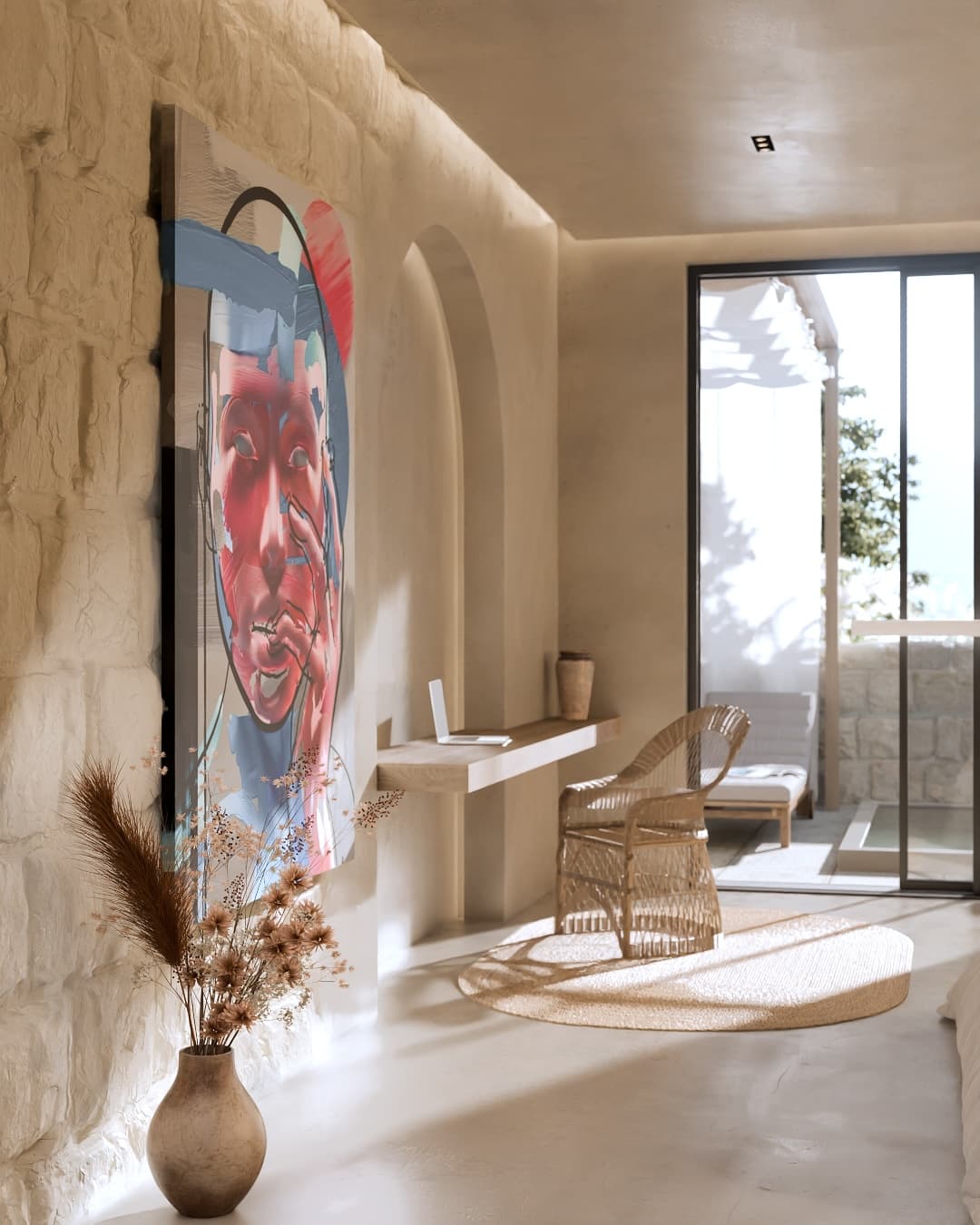
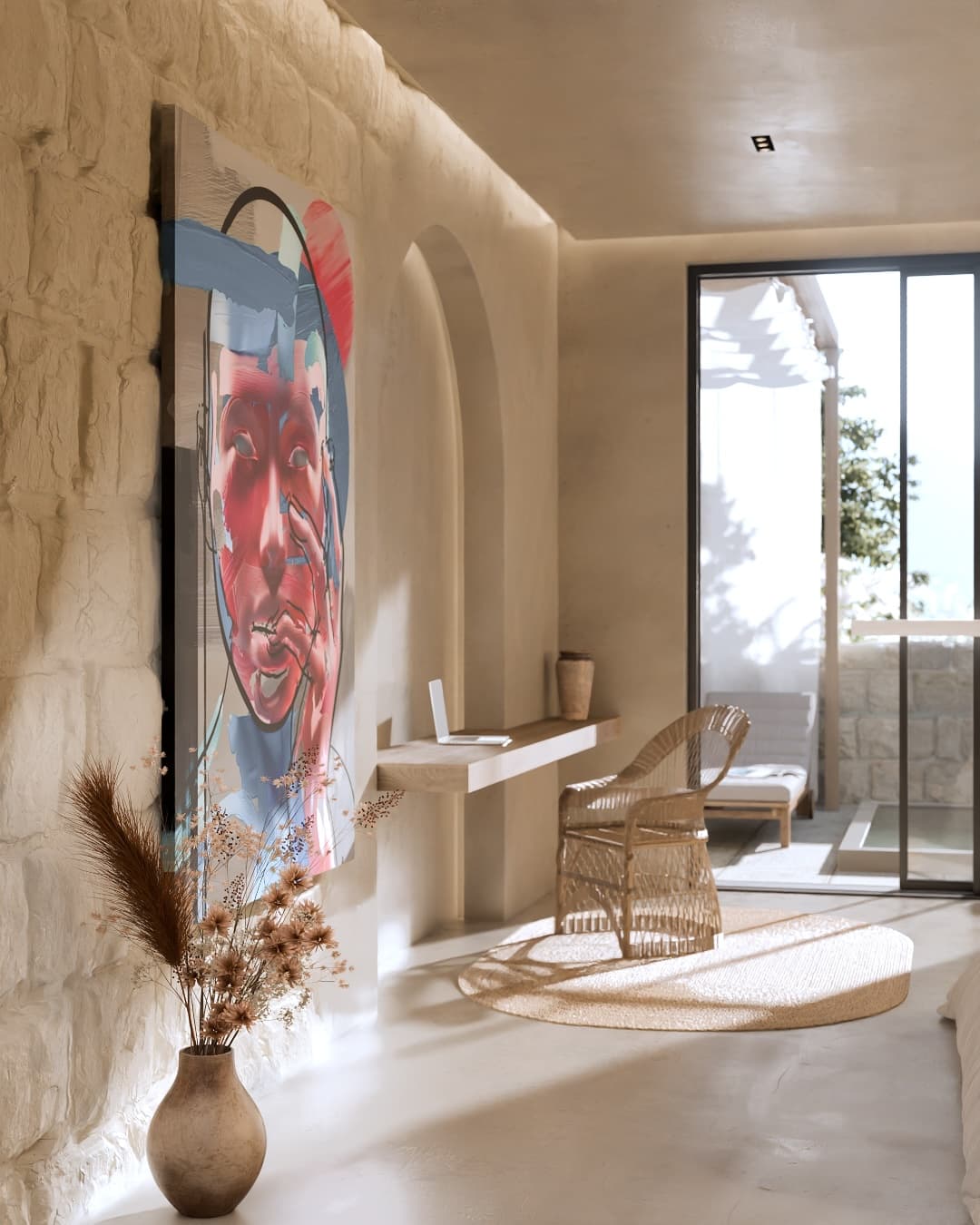
MOCKLIO answers the presentation and owned-relationship job. Upload artwork, hang it in photoreal CGI rooms, export stills for every channel, and generate cinematic reels (about ten seconds, with an optional 12.5-second cinematic remap) for Instagram and listing video. Publish a portfolio collectors can bookmark. When someone is ready, they inquire through Deal Room-style flows at 0% commission on the art sale. You keep pricing, product mix, and the conversation. That is not Saatchi with a different logo. It is the layer marketplaces never optimize for: weekly visual selling and an owned landing path after social. For mid-range artists, that often matters more than adding another marketplace account. You can still list selected originals on Saatchi while your prints, commissions, and hero marketing live under your control.
Etsy is the demand engine for accessible prints, multiples, and gift-adjacent price points. Algorithms and search intent are the product. Fees exist. Brand control is limited. Presentation quality is on you, which is why room mockups and listing video change conversion even when the marketplace stays the same. Shopify is the owned-shop alternative when checkout, subscriptions, bundles, or custom product types need your domain and your policies. You bring traffic. Artsy is a different altitude: higher ticket, primary-market gravity, gallery dynamics. Treating Artsy as a casual Saatchi swap for mid-range print sellers is usually a misfit. Instagram is discovery and relationship, not a portfolio. DMs close sales until they do not scale, at which point a portfolio with inquiries stops the scavenger hunt. The winning mid-range stack in 2026 is rarely one URL. It is presentation plus one or two commerce rails.
A practical decision matrix: use Saatchi when curated marketplace buyers still convert for specific originals and the fee math works. Use Etsy when print velocity and long-tail search matter. Use Shopify when you need product types and checkout logic a marketplace will not allow. Use Artsy when your CV and price band match that network. Use Instagram to fill the top of funnel. Use MOCKLIO so every one of those channels looks intentional: room-context stills, cinematic reels, and a portfolio that takes inquiries without a marketplace cut. That is how you get more control without pretending marketplaces are useless. Control is not leaving every platform. Control is choosing which SKU pays which intermediary, and never letting a marketplace define how your work looks in a feed. Mid-range artists who skip the presentation layer keep paying fees on listings that look interchangeable.
If you are mid-range and overwhelmed, start with presentation, not with burning accounts. Cover the catalog with MOCKLIO free front-view stills. Add reels for the pieces you push this month. Publish the portfolio and put it in the bio. Keep Saatchi or Etsy listings live where they earn. Move product types that need freedom (commissions, odd editions, bundles, workshop offers) onto Shopify or direct inquiry. Revisit Artsy only when prices and representation path justify the effort. Track which channel produces inquiries versus completed checkouts so you do not romanticize ownership while ignoring revenue. Revisit fees quarterly. Control is a system design problem. MOCKLIO is the solution for the presentation system. Commerce rails stay optional modules you attach by SKU. Artists who reverse that order usually rebuild presentation later under deadline pressure.
One framing that keeps this page honest: Saatchi Art alternatives is not a ranked roast. It is a job board. Marketplace demand, owned checkout, high-ticket networks, social discovery, and presentation-plus-inquiries are five different jobs. Mid-range artists get hurt when they force all five through one Saatchi listing template. They also get hurt when they quit Saatchi in anger and replace it with nothing but Instagram DMs and flat photos. Build the MOCKLIO layer first so every other alternative looks intentional. Then add or subtract marketplaces with clear eyes. More product-type control follows from that system, not from a single rage-quit post. MOCKLIO stays the presentation answer inside that map for mid-range artists who want more control today.
Updated 24 September 2026
What MOCKLIO DeliversThat Marketplaces Do Not
- Photoreal room stills and multi-angle exports make mid-range work look intentional on Etsy, Shopify, Instagram, Saatchi listings you keep, and email. You stop relying on flat studio crops or shared marketplace templates that erase brand difference. Control starts with how the hang looks before it starts with which cart processes payment. MOCKLIO is the presentation alternative when the marketplace cannot be your art director.
- About ten seconds of intentional camera movement in a photoreal room, plus an optional 12.5-second cinematic remap, give mid-range artists feed-native video for weekly drops. Marketplaces rarely invent this motion for you. Own the reel, then upload it wherever checkout still lives. Discovery improves even when Saatchi or Etsy remains part of the stack.
- Publish username.mockl.io with the same hang. Collectors inquire without a marketplace take rate on the conversation. You remain merchant of record and keep control of product types, pricing, and follow-up. That is the Saatchi Art alternative when the job is ownership of the relationship, not another curated browse feed. Pair it with whatever commerce rails still earn.
How to Add Control Without Nuking What Works
Audit SKUs by job
List which pieces need marketplace demand, which need owned checkout, and which need direct inquiry. Do not force every product type through one Saatchi listing shape.
Build the presentation layer in MOCKLIO
Generate room stills and cinematic reels for the catalog. This becomes the shared visual system for every channel you keep.
Publish a portfolio that takes inquiries
Put bio and email traffic on username.mockl.io. Offer 0% commission inquiries for originals and commissions you want to close yourself.
Keep or add commerce rails by fit
Retain Saatchi where it converts. Add Etsy for prints, Shopify for owned product logic, Artsy only if price band fits, Instagram for discovery. Presentation stays central.
Saatchi Art remains a legitimate curated marketplace for artists who want platform demand and are fine trading fees and some control for that distribution. Mid-range artists hunting Saatchi Art alternatives usually want more say over product types (prints, editions, commissions), cleaner margins, and presentation that does not feel generic. MOCKLIO is the presentation-and-portfolio alternative: photoreal room mockups, cinematic reels, a publish-ready site, and collector inquiries at 0% commission. It is not a marketplace. Pair it with Etsy for print demand, Shopify for owned checkout, Artsy when your price band fits, and Instagram for discovery.
Related Pages
Art portfolio tool
Portfolio structure that converts to inquiries.
/tools/art-portfolio
Linktree alternative for artists
Bio link that shows the hang and takes inquiries.
/linktree-alternative-artists-portfolio
How to sell artwork online
Channel map beyond a single marketplace.
/how-to-sell-artwork-online
MOCKLIO for Etsy sellers
Room mockups and reels on Etsy listings.
/mocklio-for-etsy-sellers
Bello alternative
SaaS stills + reels vs per-scene downloads.
/compare/bello-alternative
FAQ
Saatchi Art Alternatives FAQ
It depends on the job. MOCKLIO if you want presentation, a publish-ready portfolio, and collector inquiries at 0% commission while you keep control of product types and pricing. Etsy if you need marketplace demand for prints and accessible price points. Shopify if you want a branded shop and checkout you own. Artsy if your work and price band fit a higher-ticket primary market network. Instagram if discovery is the bottleneck and you already have a DM sales motion. Many artists run two layers: marketplace or social for traffic, MOCKLIO for how the work looks and where serious buyers land. Rank tools by job, not by who annoyed you last quarter. The best Saatchi Art alternative is often a stack, not a single swap.
No. MOCKLIO is not a marketplace with a take rate on art sales. It is presentation software: photoreal room mockups, cinematic reels, portfolio pages, and Deal Room-style inquiries at 0% commission. You remain merchant of record. Saatchi Art is a curated marketplace with discovery and logistics tradeoffs. Different jobs. Comparing them as twins creates fake competition. Use both when both jobs are real. Think presentation layer versus distribution layer, then decide which SKUs need each.
Common reasons are control over product types (originals, editions, prints, commissions), margin after marketplace fees, brand ownership of the buyer relationship, and wanting presentation that does not look like every other listing template. Saatchi can still be right when curated marketplace demand matters more than owning the channel. Alternatives win when control and cadence matter more than marketplace SEO alone. The search intent is usually more control, not burn it down. Mid-range catalogs with mixed product types feel that pressure first.
Not necessarily. Job-fit framing beats all-or-nothing exits. Keep Saatchi if listings there still convert and the fee structure works for those SKUs. Add MOCKLIO for room-context marketing and a portfolio you control. Add Etsy or Shopify for product types Saatchi is a poor fit for. Stack channels by SKU instead of burning a marketplace that still sends buyers. Exit only the SKUs where fees and constraints exceed the demand you cannot replace elsewhere.
Use MOCKLIO to generate photoreal stills and cinematic reels, then upload those assets to marketplace listings and Instagram. Route bio and email traffic to your MOCKLIO portfolio for inquiries at 0% commission. Marketplaces can remain the checkout for some products while presentation and owned conversations live on your site. That hybrid is how most mid-range artists gain control without a risky cold-turkey exit. Presentation upgrades compound across every channel you keep.
Sometimes, often not. Artsy leans higher ticket and gallery-partner dynamics. Mid-range artists selling prints and accessible originals usually get more weekly sales motion from Etsy, Shopify, Instagram, plus strong presentation. Evaluate Artsy if your prices, CV, and representation path match that network. Do not treat it as a drop-in Saatchi swap for every mid-range catalog. Misfit altitude wastes months.
