Build a Repeatable
Art Sales System.
A conversion-first operating system for galleries and artists: choose the right platform, set defensible pricing, present work in context, and ship on a consistent cadence.
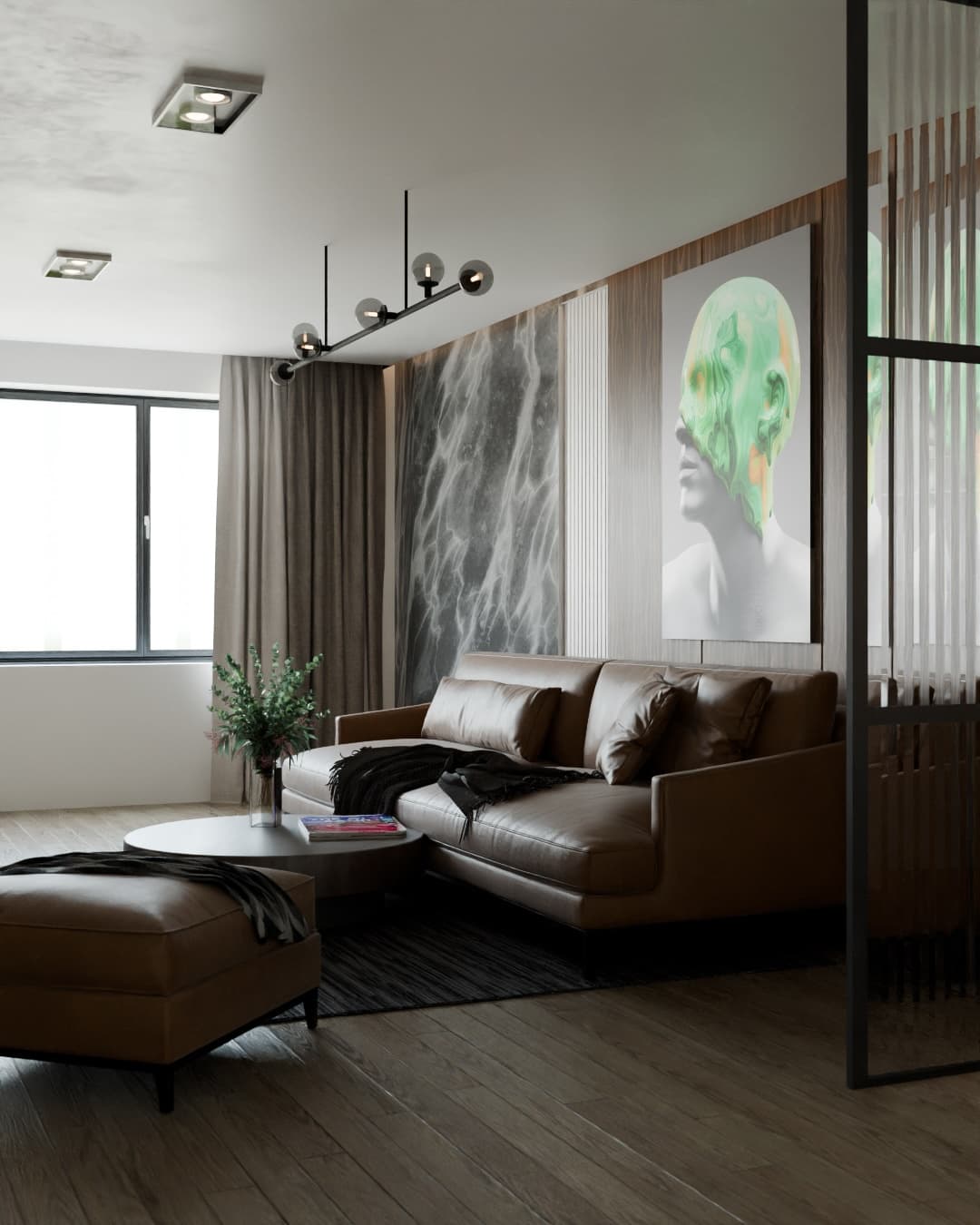
The Modern Online Art Sales Playbook
Online art sales in 2026 reward galleries and artists who combine professional presentation with consistent publishing. One great piece with weak listing photos will underperform average work shown in a believable room context.
Build your stack around three layers: MOCKLIO for mockups and video reels, a sales channel (Etsy, Shopify, or direct), and a scheduler plus email list for repeat collectors. Each layer has a specific job; none should duplicate the others.
The sections below cover channel selection, listing optimization, pricing psychology, and how video reels compound your reach on Instagram and Pinterest.
Updated June 2026
Four Parts. All Required.
Most guides give you a platform recommendation and call it done. This is the actual structure behind consistent art sales online — and why missing even one piece breaks the whole loop.
Platform
Where your buyers already shop. Etsy for prints, Instagram for originals, your own site for long-term ownership.
Pricing
Cost + time as the floor. Demand and presentation as the ceiling. Never price from self-doubt alone.
Presentation
Room mockups, video reels, and a portfolio page. The three layers buyers need before they trust your price.
Cadence
A weekly drop — same format, same day, every week. The rhythm that turns good art into consistent revenue.
Where Your Buyers Actually Shop
Don't pick a platform based on where you see other art. Pick it based on where your buyers have purchase intent.
Etsy
Best for prints · $20–$300. Largest marketplace with genuine buyer-intent traffic. Competitive but reliable. Rewards consistent listing activity and strong mockup-based photography.
Best for originals · $200–$5,000. Relationship-first selling. Reels reach new audiences; DMs close sales. Needs consistent video content to work with the algorithm.
Your Own Site
Best long-term · all price points. Maximum control, zero marketplace fees, your own customer data. Requires existing traffic — build this second, not first.
Print-on-Demand
Passive · supplementary income. Redbubble, Society6, Printful. Low margins, no inventory risk. Great for back catalog — not a primary income vehicle.
Why Your Art Looks Smaller Online Than It Is
Your work has physical presence — scale, texture, depth. On a phone screen, it's a rectangle. Room mockups, video reels, and a clean portfolio page solve the three perceptual problems.
Room Mockups
Your artwork in realistic interior settings. Multiple angles. Solves the scale problem buyers have when evaluating art on a phone screen.
Video Reels
Cinematic 10-second clips with camera movement. Gets 3–5× more algorithmic reach than static posts. The single biggest lever for new buyer discovery.
Portfolio Page
A clean buyer destination — not an Instagram grid. Answers every question before buyers ask. Your link-in-bio that actually converts.
Art Photo to Published Drop in Under an Hour
Photograph your artwork clearly
Phone camera, natural window light, no flash, flat-on angle, neutral background. This is your source file — take it seriously.
Generate room mockups
Upload to a mockup tool and generate 2–3 rooms with different angles. Front view, left-angle, right-angle from your best curated scenes.
Generate a cinematic video reel
If your tool supports it (MOCKLIO does), create a 10-second HD animation.
Publish your portfolio page
Add the piece with mockups and embedded video. Update your link-in-bio. This is your buyer destination — keep it current every week.
Update your Etsy or Shopify listing
Best static mockup as the hero image. Update the description with dimensions, medium, and a clear purchase CTA.
Post the reel on Instagram and TikTok
Caption: price, dimensions, availability, one CTA. The reel drives reach; the portfolio page closes the sale.
Post one static mockup to your grid
Different angle from the reel — gives existing followers a new view without redundant content.
Update your link-in-bio to your portfolio
Every channel, every DM reply, every Story — funnel buyers to one destination that pre-answers every question.
Reply to all inquiries with your link
Not a photo dump. Not a PDF. One clean link. The system does the selling — you just need to point people at it.
Gallery Mockups. Cinematic Reels. Portfolio Page. One Workflow.
MOCKLIO handles the presentation layer — the part most artists skip because it feels too technical. Upload once: get multi-angle mockups, a 10-sec reel, and a publish-ready portfolio at your own URL.
What to Actually Remember
Selling art online consistently requires four systems working together: platform, pricing, presentation, and weekly cadence.
Platform choice should follow your buyer — Etsy for prints with purchase intent, Instagram for originals, your own site long-term.
Price using cost-plus-time as a floor. Adjust upward as demand and reputation grow. Never price from self-doubt.
Room mockups solve the scale problem buyers have online — they provide spatial context a flat photo cannot.
Video reels get 3–5× more algorithmic reach than static posts — they're the primary lever for new buyer discovery.
The weekly drop model builds audience expectation and compounds organic reach into predictable monthly revenue.
A clean portfolio page acts as a buyer destination that handles every pre-purchase question automatically.
Tools like MOCKLIO compress mockup generation, reel creation, and portfolio publishing into one under-an-hour workflow.
Consistency beats perfection. A good drop every week outperforms a perfect drop every other month — always.
Selling artwork online consistently requires four things working together: a platform that matches how your buyers shop, pricing that reflects your costs and perceived value, professional visual presentation that builds buyer trust before they purchase, and a repeatable weekly rhythm. Most artists get one or two right. The ones who sell consistently run all four as a system.
Related Articles
Channels, listings, and conversion
FAQ
Questions Galleries and Artists Actually Ask
Start with Etsy or a similar marketplace where buyer-intent traffic already exists. Simultaneously build your Instagram presence through consistent Reels posting, tagging relevant styles and locations, and genuine engagement with other artists and collectors in your niche.
Use a baseline formula: (hourly rate × hours worked) + (size in square inches × per-inch rate). Emerging artists typically start at $1–$3 per square inch for originals. Price consistently across all platforms — undercutting your Etsy prices on Instagram erodes collector trust.
It depends on what you sell. Etsy is best for prints at $20–$300 with high buyer intent. Instagram is best for originals and relationship-selling. Your own website is best long-term for traffic ownership. Most successful artists use two of these together.
Not immediately. Start with Etsy or a portfolio page (like username.mockl.io via MOCKLIO) as your link-in-bio destination. A full website becomes important once your catalog grows and you want to own your buyer relationships without marketplace fees.
Room mockups place your artwork digitally into realistic interior settings — living rooms, galleries, bedrooms. They solve the scale problem: buyers online can't feel how large a piece is or imagine it in their space. Artists consistently report higher conversion rates after switching to mockup-based listings.
Tools like MOCKLIO generate short cinematic video reels automatically — upload your artwork photo and the tool creates a 10-second HD animation with professional camera movements, ready to post as an Instagram Reel or TikTok. No editing software or skills required.
Aim for a weekly drop minimum. Consistency matters more than volume — one well-presented drop per week, every week, outperforms three inconsistent bursts. The algorithm rewards regularity, and buyers develop a habit of checking your work when they know something new arrives weekly.
Original paintings sell best through Instagram and direct email, where relationship-building is possible. Invest in multi-angle room mockups, a cinematic reel, and a portfolio page with clear pricing. Respond to every inquiry personally and quickly. For pieces above $1,000, showing accurate scale via mockups significantly reduces purchase hesitation.
Yes for print sellers and reproducible work at accessible price points. Etsy has become more competitive and fees have increased, but it remains the largest dedicated marketplace with genuine buyer-intent traffic. Key factors: consistent listing activity, mockup-based hero photos, and pricing appropriate for the platform's buyer psychology.
A weekly drop is a consistent, repeatable cadence: present and offer a piece for sale on the same day every week, in the same format — mockups, video reel, portfolio update, social posts. The first few weeks feel mechanical; by week six it becomes a rhythm your audience anticipates and your algorithm rewards.
Make the Art. Build the System. Let It Sell.
Start your first weekly drop today. Mockups, cinematic reel, and a portfolio page — one session, under an hour.
Start Free on MOCKLIO →