AR Art Placement Apps vs
Photoreal Room Mockups
True-to-scale AR on a real wall answers fit. Photoreal CGI rooms and cinematic reels answer marketing at scale. MOCKLIO wins the weekly sell. AR wins the in-home check. You can stack both.
Two Previews, Two Jobs: Fit vs Marketing That Sells
Artists searching for the most user-friendly AR apps for virtual art placement or the most realistic virtual art placement software are usually solving a scale anxiety problem. A collector wants to know if a 40-inch canvas clears the sofa or overwhelms a narrow hallway. ArtPlacer AR, WallPictureApp, VisionARI, and similar viewers excel here: point the camera at drywall, drop the piece at true-to-scale dimensions, and decide. That is a high-trust, late-funnel tool. It is not a weekly content engine. You cannot run an AR session for every stranger scrolling Instagram at midnight. You also cannot paste an AR experience into an Etsy hero image, a Shopify gallery, a Pinterest Pin, or a cold email lookbook. AR requires the buyer to open the camera, grant permissions, find a clear wall, and interpret a phone overlay. That friction is acceptable when someone is already serious. It is fatal as your only preview for cold traffic.
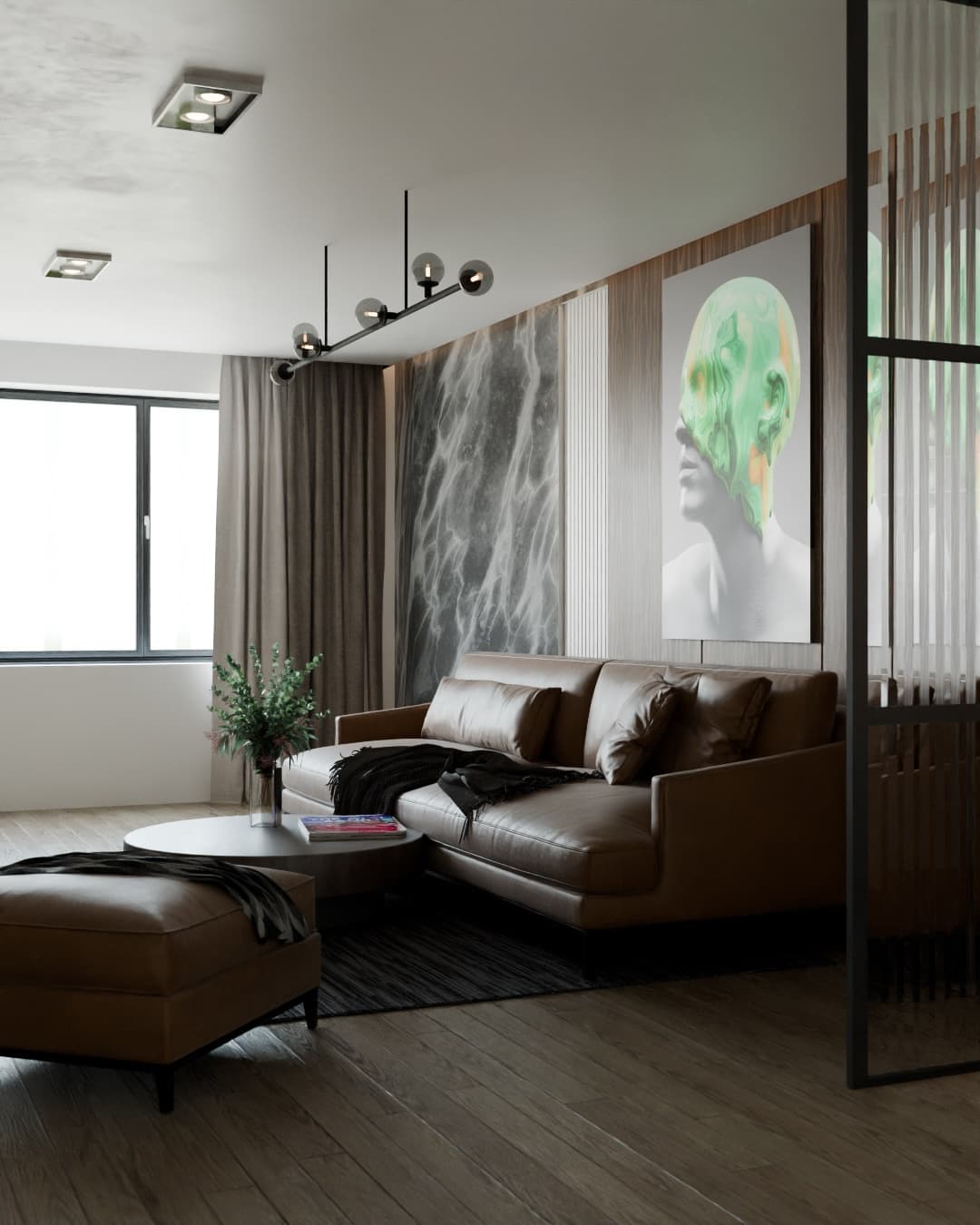
Photoreal room mockups solve a different job. They invent a believable interior, hang your work with correct light and proportion, and export stills plus cinematic motion you can ship everywhere. Visuals dominate how people decide to buy experience goods. Marketing research often puts visual influence near 93%. Room context also triggers a soft endowment effect: once a viewer sees the piece living in a lifestyle space, it feels closer to owned than a flat studio crop on a white void. That endowment is why interior-context listing images outperform empty backgrounds for wall art and home goods. Online collecting is no longer niche. Art Basel and UBS surveying around the 2024 cycle found about 59% of collectors bought art online. Those buyers still need help imagining scale and atmosphere before they will schedule a visit or open an AR viewer. CGI rooms and reels do that work at marketing speed.
Video compounds the conversion case. Commerce research repeatedly associates adding video to landing and product pages with large lifts, often cited in the 80% to 86% range versus static-only experiences. That is why MOCKLIO treats cinematic reels as core product, not a novelty credit. About ten seconds of intentional camera movement inside a photoreal room, plus an optional 12.5-second cinematic remap of the same scene, gives you Instagram discovery, listing video, and portfolio motion from one upload. AR apps do not replace that cadence. They complement it when a warm lead needs wall proof. Flat studio photos fail both jobs: they neither prove fit on the collector's wall nor create lifestyle endowment for strangers in a feed.
So which preview sells? Marketing volume sells the pipeline. In-home AR sells the last mile of confidence. If you only ship AR, you starve discovery and listings. If you only ship CGI rooms, you may still hear can you show me on my wall from serious buyers, and that is fine. Use MOCKLIO for the operating rhythm: unlimited front-view stills for catalog coverage, multi-angle exports when you need carousel variety, cinematic reels for feeds and shops, and a publish-ready portfolio for bio clicks and inquiries. Hand hot leads an AR viewer when they ask. That stack is how indie artists and small galleries present like a studio with a marketing desk, without pretending one tool owns every stage of the decision. Galleries can send MOCKLIO stills and reels in the first outreach email, then offer AR during a second meeting when placement is the open question.
Practical rule of thumb for 2026: start every release in MOCKLIO. Generate room stills for Etsy, Shopify, Pinterest, and carousels. Generate a Reel for Instagram and TikTok. Publish the same hang on your portfolio. Only then, if a collector is negotiating size or placement, open ArtPlacer AR, WallPictureApp, VisionARI, or whatever AR path your marketplace offers. Do not reverse the order. AR without a marketing layer is a closed-door demo for people who already found you somehow. Marketing without optional AR is still a full funnel for most mid-range sales, especially when online collecting is this common. MOCKLIO is the solution for the funnel you run every week. Keep true-to-scale AR in the toolbox for the moments when fit, not discovery, is the blocker.
One more distinction that trips up buyers of virtual art placement software: realism is not a single axis. AR realism means dimensional accuracy on a specific wall under phone-camera lighting. CGI realism means believable materials, shadows, and camera language inside a designed interior that represents your ideal buyer. Collectors evaluating a feed post care about the second. Collectors confirming a purchase care about the first. MOCKLIO owns the marketing-realism job with photoreal rooms and cinematic motion. Point AR tools at the fit-realism job. Searching which preview sells without naming the stage of the funnel is how artists buy the wrong app twice. Weekly sellers who reverse that order end up with great in-home demos and empty content calendars.
Updated 24 September 2026
What Photoreal Mockups DeliverThat AR Cannot Scale
- Photoreal CGI interiors let you ship Etsy heroes, Instagram carousels, Pinterest Pins, Shopify galleries, and email lookbooks without pointing a phone at anyone's wall. Catalog coverage stays free on front-view stills so marketing does not wait on collector access, lighting conditions, or AR session quality. One upload becomes a full still pack before anyone asks about fit. That is why MOCKLIO wins for weekly marketing volume while AR stays a late-funnel option.
- About ten seconds of intentional camera movement in a curated room, with an optional 12.5-second cinematic remap, puts scale and atmosphere into feeds and listings. Video-associated conversion lifts (often cited near 80% to 86% on landing pages) matter more for cold traffic than an AR scan reserved for serious buyers. Endowment starts in the reel; AR confirms it later. Flat photos cannot compete with that motion for scroll-stopping discovery.
- Route Instagram and fair traffic to a publish-ready portfolio that embeds the same stills and reels. Collectors inquire at 0% commission without bouncing through a marketplace. Keep ArtPlacer AR, WallPictureApp, or VisionARI for the late-funnel scale check when someone is ready to confirm fit on their actual wall. Marketing and fit stay complementary, not competing. The bio click should land on presentation, not a scavenger hunt.
A Practical Stack: CGI Marketing First, AR Second
Upload and hang in MOCKLIO
Place the piece in a photoreal room. Export front-view stills for listings and carousels. Add multi-angle views when you need scroll variety without a second photoshoot.
Ship cinematic reels for discovery
Generate a ~10-second room Reel and optional 12.5-second cinematic remap for Instagram, TikTok, and shop listing video. This is the weekly motion layer AR apps do not replace.
Publish the same hang on your portfolio
Put stills and reels behind username.mockl.io so bio clicks land on presentation, not a scavenger hunt of Drive links and DMs.
Offer AR when a buyer asks about fit
Hand serious collectors ArtPlacer AR, WallPictureApp, VisionARI, or your marketplace AR viewer for true-to-scale proof on their wall. Marketing already did the selling work.
AR art placement apps (ArtPlacer AR, WallPictureApp, VisionARI) preview true-to-scale size on a collector's real wall through a phone camera. That job is in-home fit. Photoreal CGI room stills and cinematic reels (MOCKLIO) preview the piece in curated interiors you can post, list, email, and embed without a physical visit. That job is marketing at scale. For weekly Instagram, Etsy, Shopify, and portfolio output, MOCKLIO is the solution. Keep AR for late-funnel scale checks. Most artists should run CGI marketing first, then offer AR when a buyer asks does it fit. Endowment via room context plus video conversion lifts make the marketing layer non-optional in 2026.
Related Pages
ArtPlacer alternative
CRM and Personal Spaces vs presentation layer.
/compare/artplacer-alternative
Room mockup video generation
Cinematic reels from photoreal CGI rooms.
/tools/room-mockup-video-generation
CGI vs AI art mockups
Why stable CGI rooms beat generative flicker.
/compare/cgi-vs-ai-art-mockups
Art mockups hub
Stills and motion product overview.
/art-mockups
Instagram Reels for artists
Weekly motion workflow after the still.
/use-cases/instagram-reels-for-artists
FAQ
AR vs Room Mockups FAQ
AR art placement apps (ArtPlacer AR, WallPictureApp, VisionARI and similar) project your work onto a collector's real wall at true-to-scale size through a phone camera. Photoreal room mockups place the same work inside curated CGI interiors as stills and cinematic reels. AR answers does it fit my wall. CGI rooms answer does this piece feel owned in a lifestyle context I can share everywhere without a home visit. Confusing those jobs is how artists buy an AR app and still have nothing to post on Monday.
Depends on the job. AR wins when a serious buyer needs a scale check in their own space before committing. Photoreal room mockups and cinematic reels win for weekly marketing: Instagram, Etsy, Shopify, email, and portfolio, because you can ship assets without anyone pointing a phone at drywall. Most indie sellers need marketing volume first. MOCKLIO is built for that layer. Treat AR as optional confirmation after the marketing hang has already created desire.
Yes. Stack them. Use MOCKLIO for stills, cinematic Reels, and a publish-ready portfolio that runs every week. Offer AR (ArtPlacer AR, WallPictureApp, VisionARI, or your platform's AR viewer) when a collector is close to buy and wants true-to-scale proof on their wall. Different jobs, complementary tools. The mistake is forcing AR to do Instagram discovery or forcing CGI rooms to prove millimeter fit on a weird alcove.
Yes at scale. Art Basel and UBS reporting around the 2024 collecting cycle found roughly 59% of surveyed collectors bought art online. Room context and video reduce the imagination burden that kills cold listings. Marketing mockups and reels create endowment before anyone opens an AR viewer. Many online purchases close on trust plus presentation, with AR reserved for larger works or anxious first-time buyers.
Visuals dominate purchase decisions for experience goods, often cited near the 93% range in marketing research on visual influence. Short video on landing and listing pages is widely associated with large conversion lifts, commonly reported in the 80% to 86% range versus static-only pages in commerce studies. A ten-second CGI room reel with intentional camera movement shows scale, light, and atmosphere without requiring a collector visit or AR session. Flat studio photos ask the buyer to invent the room. Reels invent it for them.
No. MOCKLIO is photoreal CGI room stills plus cinematic reels and portfolio presentation. It does not replace true-to-scale AR on a collector's wall. It replaces the weekly content problem: how do you prove the hang across feeds, shops, and a bio link without filming or visiting every buyer. If your search was user-friendly AR for virtual placement, keep an AR app for fit. If your search was which preview sells every week, start with MOCKLIO.
